




The Power of Power- Why Muscular Power is Overlooked within Health & Fitness
We all know strength training is important within the Health & Fitness industry. But, how often do we consider training power? Strength and power are closely related, whilst being two distinct concepts.
In this blog, expect to understand what muscular power is, why it deserves attention, and how Wattbike can help facilities benchmark and develop this key performance metric.

What is muscular power?
Muscular power is discussed and defined in academic literature such as Roger A. Fielding et al. (2012).Whilst strength is defined as the maximal force a muscle can produce, muscular power is the force produced multiplied by velocity. Put simply, power describes how quickly force is produced.
This distinction matters. Two people may produce similar strength, but the individual who can apply that force faster will generate more power.
Why does muscular power matter?
It is widely accepted that strength training is associated with prolonging a person's Healthspan- Ruiz et al. (BMJ, 2008) and Metter et al. (J Gerontol A, 2002) both found improved strength correlated to living longer.
This won't surprise most fitness professionals!
However, research suggests muscle power may be even more predictive of functional ability than maximal strength alone.
Avinash T. Balachandran et al. (2022) concluded "power training was associated with a modest improvement in physical function compared with traditional strength training."
Applied practically, it has been found that power predicts mobility and fall risk more closely than strength! (Bassey et al., 1992)
Simply put: if the goal is to help members live healthier lives, power deserves a place alongside strength in every training programme.

Where Wattbike Comes In
To determine how strong someone is, we need a reliable benchmarking test. Traditional 1RM strength testing has its flaws. It often requires technical lifting skills, carries an injury risk and is intimidating for a beginner.
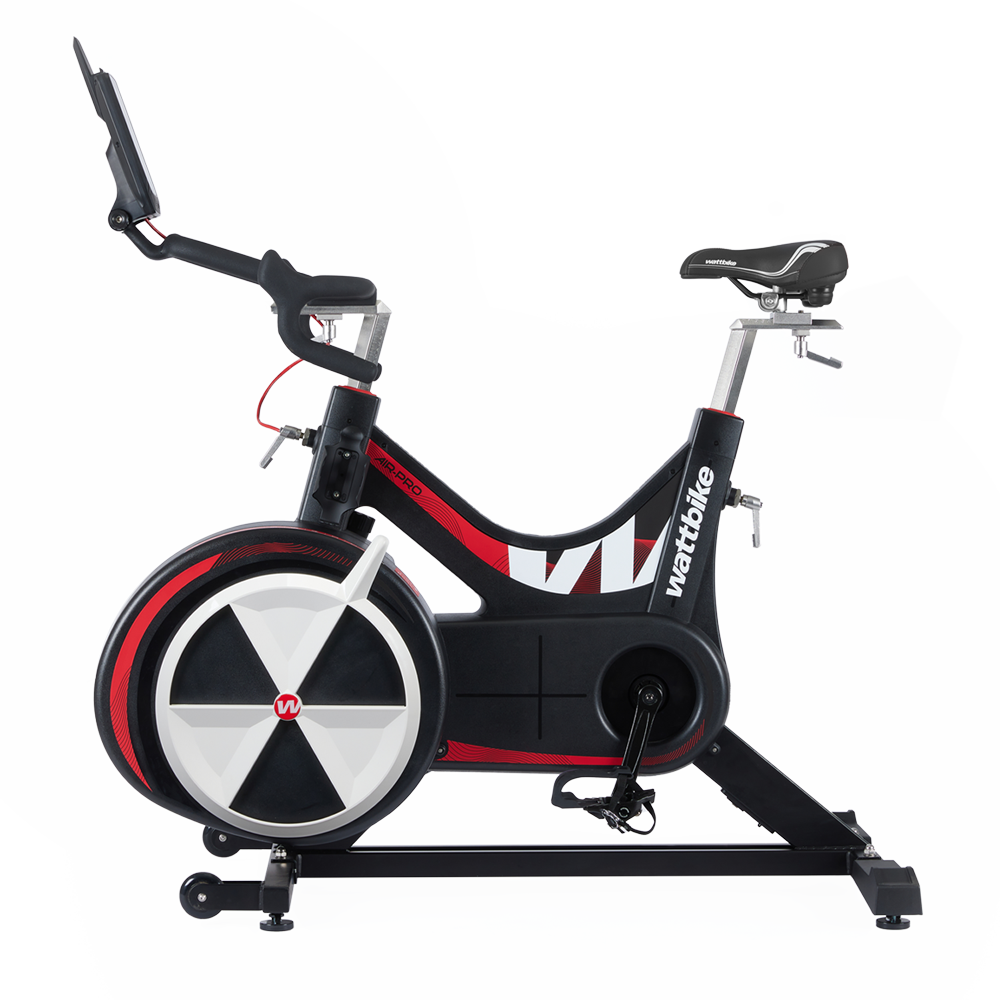
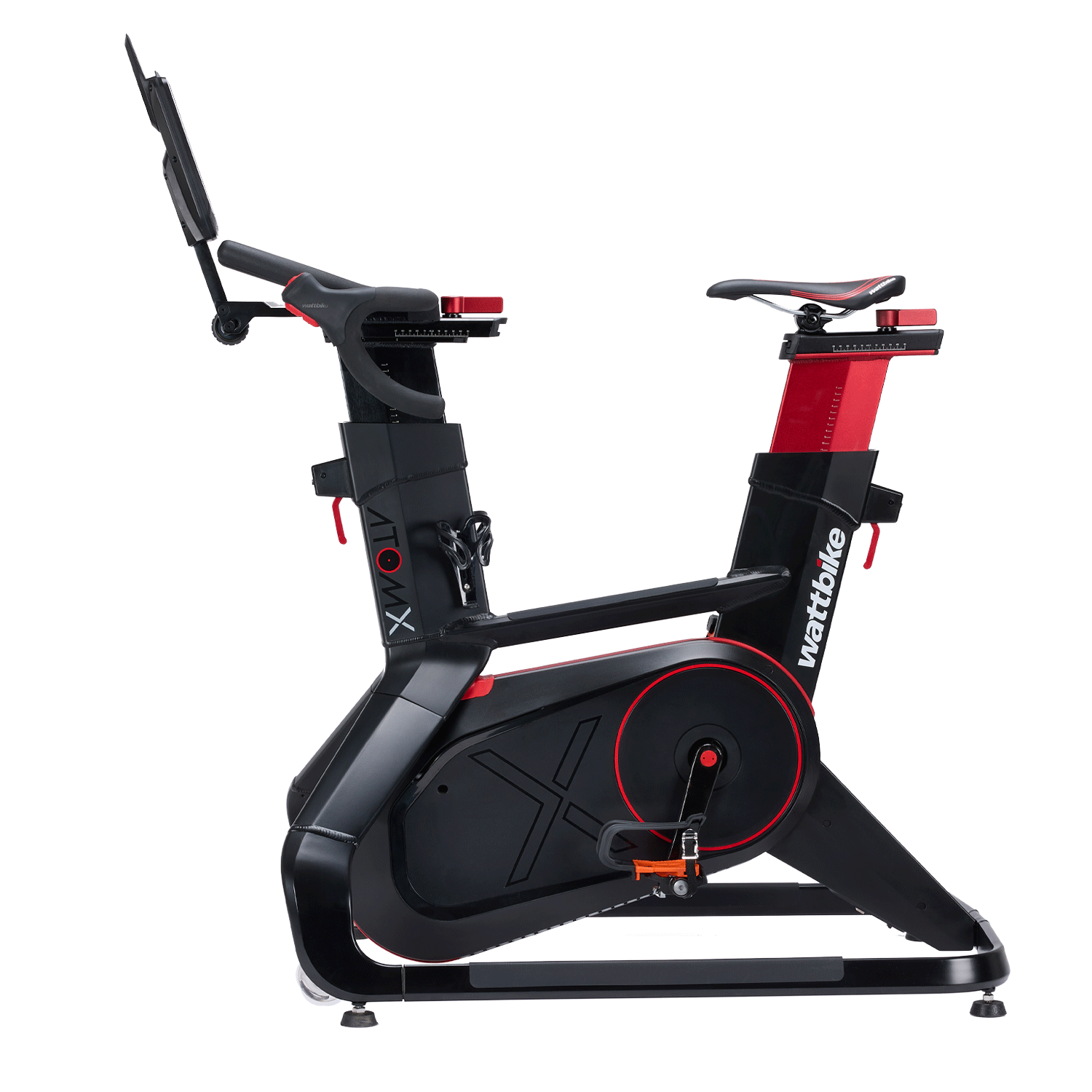
Wattbike's 6-second max power test provides a lower-skill, safer, highly repeatable alternative.
In only 6-seconds, the test captures:
- Fast-twitch fibre recruitment
- Peak force production
- Explosive capacity
It’s short, controlled, and repeatable, making it ideal for benchmarking within a Health & Fitness facility. Personal Trainers don't have to demonstrate lifting technique and load can be adjusted instantaneously allowing for this test to seamlessly integrate into an onboarding program. Users should also do the test seated, removing safety concerns.

How to use the 6-second Test within Health & Fitness
A new customer who has recently signed onto a Personal Trainer's program should undertake the 6-second test as part of their onboarding.
Begin with an easy 10-minute warm up on the Wattbike. Include two 5-10 second higher cadence efforts (100rpm+) to engage neuromuscular pathways. Then, complete the 6-sec test 3 times, following the displayed resistance recommendation on the monitor. This is based on the users age, sex and weight. A brief recovery period may be undertaken after each 6-second effort.
Record the following-
- Peak power output
- Peak Watts/KG
- Peak cadence (RPM)
Following a strength training protocol, re-take the 6-sec test every 2-4 weeks to track improvements in power output. Ideally, all three metrics will have increased!
For the facility, this creates clear benchmarking data. For the member, it provides visible progress, increasing motivation and engagement with both their Personal Trainer and their gym.
Peak power training can then also be weaponised to improve cardiovascular fitness too, another overlooked application. To find out more about the benefits of improving your VO₂ Max and how Wattbike can bring accurate physiology testing into a Health & Fitness facility, take a look at this article- Boost Member Engagement, PT Revenue & Retention with the Wattbike Healthspan - Wattbike Commercial.


